






From responsible artificial intelligence (AI) adoption to boardroom decision-making, the Ethics Conference 2026 explored how accountants can uphold trust amid technological change and commercial pressure. Held on Global Ethics Day for the second consecutive year and co-organized with ACCA for the first time, the live webinar drew over 2,600 members of both bodies.
Ethics as a living commitment
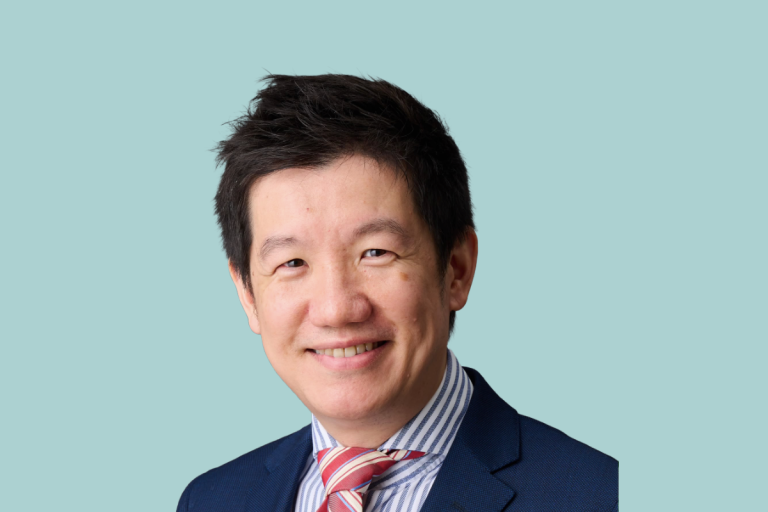
Opening the conference, Arthur Lee, Chief Executive and Registrar of the Hong Kong Institute of CPAs, described the event as a strategic milestone under the Memorandum of Understanding between the Institute and ACCA. The agreement reinforces shared values and advances ethical standards across the accounting profession. Lee framed ethics as a living commitment, not a static set of rules, one that is tested most when commercial pressure collides with ethical responsibility. He encouraged participants to use practical guidance to navigate difficult situations with confidence and conviction.
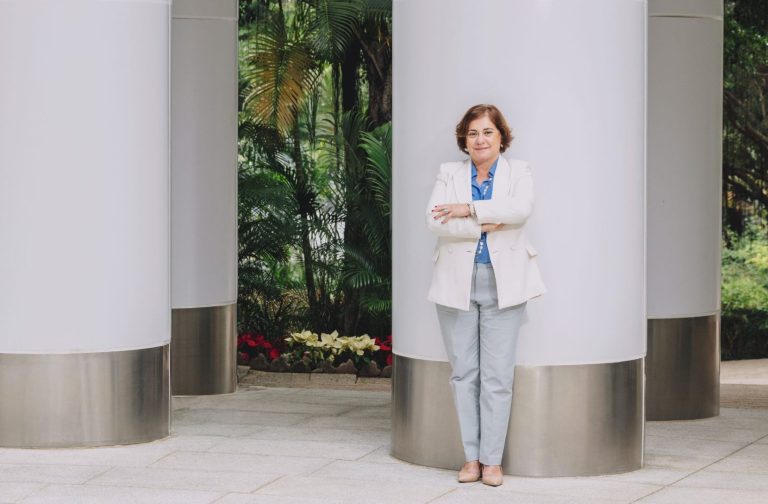
Maria Xuereb, Chair of the Institute’s Ethics Committee, outlined recent developments in ethical standards and member support. These included the new ethics and independence standards for sustainability assurance, related revisions addressing sustainability reporting, and a framework for evaluating external experts’ competence, capabilities and objectivity. She also highlighted guidance on public interest entities and the Institute’s expanding range of ethics learning resources.
Building trust in technology
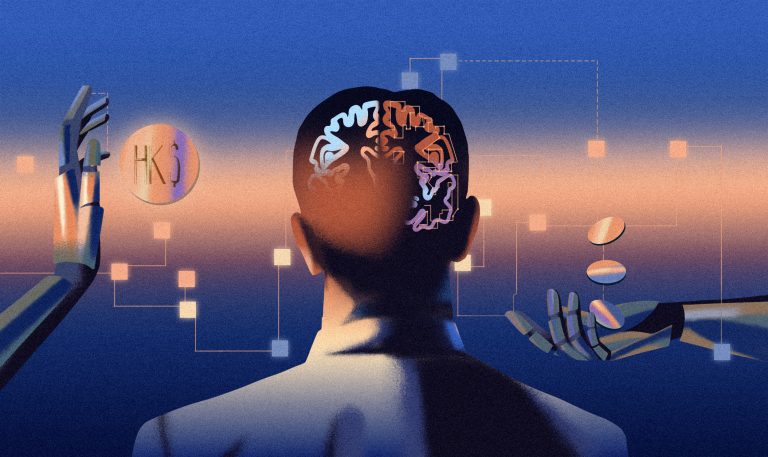
Gerry Redmond, Partner and Assurance Transformation Deputy Leader at Ernst & Young, described scepticism and curiosity as accountants’ “superpowers” when navigating new technologies. His advice was straightforward: understand how technology works before adopting it. The profession’s purpose, he emphasized, is to enable trust, and that the market winner will be the one our clients trust most. That trust rests on competence, reliability, confidentiality and insight. While AI can unlock significant value, its use must be grounded in clear business needs, approved tools, appropriate data permissions and effective governance.
Beyond compliance in the boardroom
A panel session, moderated by Xuereb, tackled the realities of corporate governance and ethical decision-making under commercial pressure. Kelly Chan, an independent Non-Executive Director of various listed companies in Hong Kong and former Chair of ACCA Hong Kong, posed a simple question: a decision may be legal and profitable, and commercially attractive, but is it the right thing to do? Rules define the floor, she emphasized, while leadership judgement and culture define the ceiling. She called on boards to set the tone at the top, exercise independent oversight of corporate culture, and safeguard whistleblowing channels.
The panel brought together perspectives from finance, internal audit and forensic investigations. Horace Ma, Chief Executive Officer of DAAS Axia and Deputy Chair of the Ethics Committee, highlighted the pressures finance leaders face as they balance compliance requirements, resource constraints, management expectations, and professional judgement.
Astor Law, Head of Audit, Asia and Middle East of HSBC, shared how internal audit can distinguish isolated control failures from deeper cultural issues. This requires examining patterns across teams, products and locations; using data analytics and process mining; conducting root-cause analysis; and assessing management’s response to identified issues.
Jessica Li, Forensic Partner at PwC China, stressed the importance of independent investigations, rigorous information gathering and multiple sources of evidence when addressing potential misconduct. Interviews, data reviews and behavioural analysis can help establish what went wrong and whether similar issues exist elsewhere in the business.
Strengthening integrity in practice
David Yip, Chief Corruption Prevention Officer of the Independent Commission Against Corruption (ICAC), highlighted the pivotal role of professional accountants in preventing corruption and upholding integrity. Yip introduced the ICAC’s newly established Private Sector Integrity Centre and its services, and showcased practical resources tailored to help organizations, particularly listed companies, strengthen their integrity management, anti-corruption safeguards and ethical culture.
Presenting the HKICPA Ethics Survey 2026 findings, Tony Yeung, Assurance Director at Moore, explored how technology, broader professional responsibilities and sustainability are reshaping ethical challenges. One encouraging finding was that more accountants are taking proactive steps to address ethical issues by reporting concerns, seeking advice and using appropriate escalation channels.
Closing the conference, Ambrose Ting, ACCA Hong Kong Chair, reaffirmed that ethical judgement remains the bedrock of the profession amid rapid innovation and evolving governance challenges. The collaboration between the Institute and ACCA on Global Ethics Day reflects a long-standing commitment to strengthening the profession. The closing message was a call for professionals to keep building their capabilities, navigate emerging trends and ensure that innovation is guided by integrity.
This article was contributed by the Institute’s Standard Setting Department.