








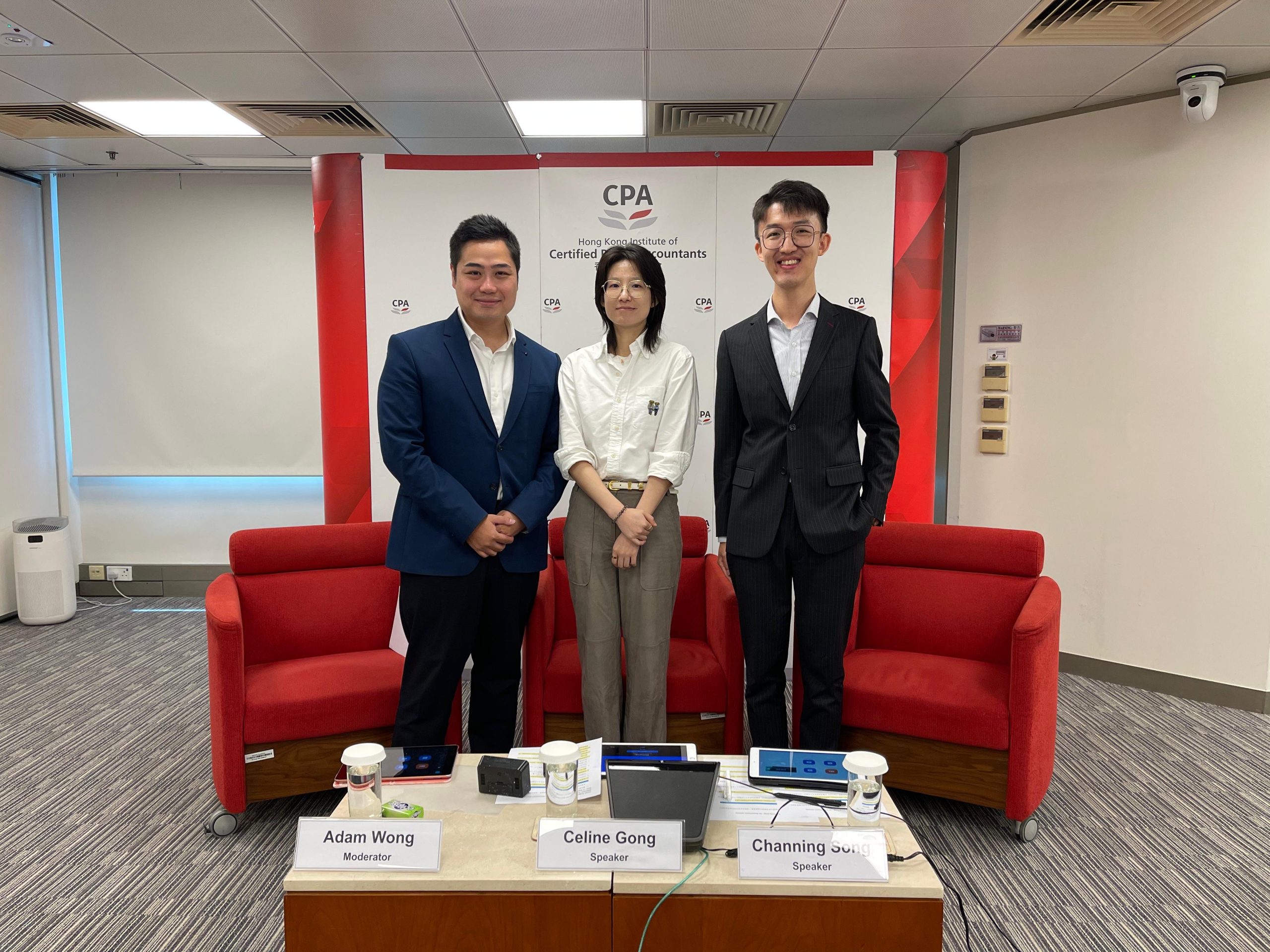
On the streets of Hong Kong, it is not uncommon to see a unique form of self-expression – personalized licence plates on vehicles. But when Channing Song saw a parked car on a busy Tsim Sha Tsui street after dinner with friends, with the license plate “CPA”, that moment changed the direction of his career.
“We were talking about our career plans at dinner, and a friend suggested accounting. When we saw that car on the street, my friend said, ‘It’s your destiny. You really should consider pursuing a degree in accounting’,” he recalls. The random encounter led Song, now Senior Accountant, Strategy and Transactions at EY, to Hong Kong’s valuation profession.
Song’s journey to becoming an Institute member was unconventional from the start. After earning a Journalism degree from Hong Kong Baptist University and working at a securities firm, he had a clearer idea of what he wanted. “It came to me that I needed some professional technical knowledge in order to make my career path more sustainable,” he says.
Song, who was born and raised in Yunnan province, decided to pursue a master’s in professional accounting at City University of Hong Kong, and after he graduated, he joined EY in 2020 and enrolled in the Qualification Programme (QP) that same year. He found the QP “relatively manageable,” and completed the Capstone exam by December 2021, before becoming an Institute member in 2024.
Still, the achievement carried weight. “I spent many hours doing the revision, and as a result, I sacrificed time to travel and hang out with friends. But eventually the efforts paid off. I got the CPA qualification and it was a really rewarding experience for me,” Song says.
“When we saw that car on the street, my friend
said, ‘It’s your destiny’.”
Today, as a senior associate on EY’s valuation team, Song credits the HKICPA qualification as foundational to his technical capabilities. “The CPA qualification helped me to understand the financial statements to a really in-depth degree. Without the accounting knowledge, I may not know linkage between all those line items,” he says. “When our team has new hires, I also need to teach them accounting knowledge, because some of them are coming from non-accounting backgrounds.”
He adds that the QP’s coverage of valuation in corporate finance modules provided a theoretical framework for his tasks, essential for assessing fair value measurements and conducting portfolio valuations for private equity (PE) firms and investment banks.
His HKICPA credentials, combined with experience auditing a Chinese state-owned financial institution’s PE portfolio, positioned him perfectly when the opportunity to transfer from audit to valuation arose. “We needed our internal valuation team to help us with the review. And it was that experience that got me familiar with valuation and the practical workflow of our valuation team,” he explains.
Given the differences between practices in Hong Kong and in the Mainland, Song urges fellow Mainland professionals looking to become Institute members to keep an open mind. They should also be versatile. “My colleagues in Hong Kong are very flexible. Even if preferred solutions may not work under certain circumstances, accounting practitioners would still exercise their professional judgement and explore alternative approaches that comply with accounting standards,” he says. Finally, to prospective students, he stresses the importance of continuous learning. “They should really utilize the continuing professional development resources provided by the Institute and get themselves well-prepared for the changing environment,” he says.
Indeed, Song himself is on a long-term endeavour to improve himself. “These professional qualifications help me to become a better equipped finance professional in Hong Kong, so I can really cater to clients’ needs.” he says. “This gives me a huge sense of achievement – adding value for clients.”
The tax specialist
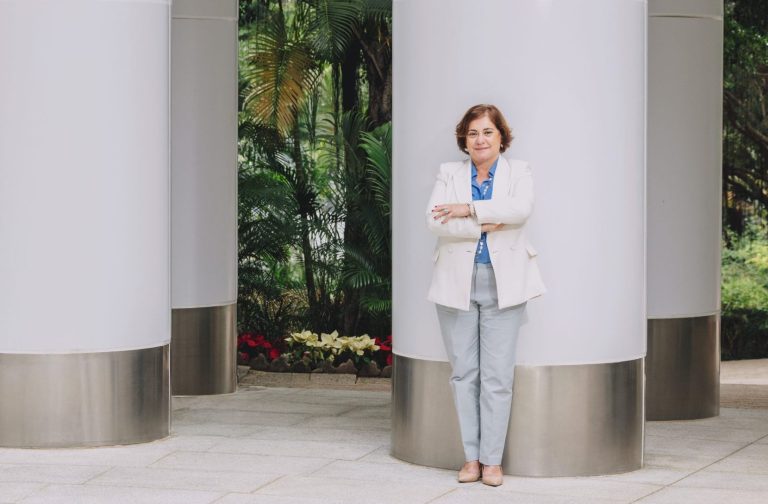
Celine Gong’s first memorable culture shock in Hong Kong happened in a local restaurant when she ordered “six treasure rice,” a cha chaan teng-style dish featuring white rice topped with six roasted meats. “Coming from the Mainland, I expected a balanced meal with at least some vegetables,” recalls Gong. “To my surprise and amusement, the dish arrived with not a single piece of greens. It was entirely topped with different kinds of meat.”
For Gong, now Asia Pacific Tax Manager at German multinational company Knorr-Bremse, that moment captured the charming differences between her hometown of Shenyang in Liaoning province, and her adopted city.
Gong’s path to becoming an Institute member began at Xiamen University, where she studied financial management before pursuing her master’s in Accounting at The Chinese University of Hong Kong. After graduating, she stayed in the city and kick-started her career at PwC.
“Working in a Big Four environment made me realize how essential a CPA qualification is for long-term development,” she says. “I chose the HKICPA qualification because it provides deep and systematic knowledge of Hong Kong’s professional framework, including Hong Kong tax and local accounting standards, which is highly applicable in practice. This foundation allowed me to solve client issues more efficiently and strengthened my competitiveness in the Hong Kong market.”
“The QP trained me to break down problems in a structured, logical way.”
Balancing a full-time job while preparing for the QP was a challenge, she admits. “Even with study leave, having less than a month to prepare for two exam modules felt very intense. Balancing project work during the day and studying in the evenings and weekends required discipline and strong time management.”
This high pressure period proved to be worth it, she says. “I often joke that the most immediate impact of becoming an Institute member was that my monthly salary increased right away. Jokes aside, the qualification does make a meaningful difference. It adds credibility and provides a clear signal of technical competence.”
In her current role, Gong oversees tax compliance and leads internal tax-related projects across different jurisdictions. The QP, she believes, played a key role in helping her become a well-rounded tax professional. “The QP framework has been instrumental in shaping the way I analyse and resolve complex tax issues. The QP trained me to break down problems in a structured, logical way – something particularly important when handling tax authority queries or challenges,” she says.
Looking ahead, Gong sees Institute members as uniquely positioned for the Greater Bay Area’s (GBA) integration. “As businesses expand across Hong Kong, Mainland China, and other GBA cities, there is a growing need for professionals who understand both international standards and local regulatory frameworks,” she notes. “I see HKICPA professionals becoming even more influential in facilitating cross-border business, enhancing financial transparency, and supporting sustainable economic growth within the region.”
Path to partner
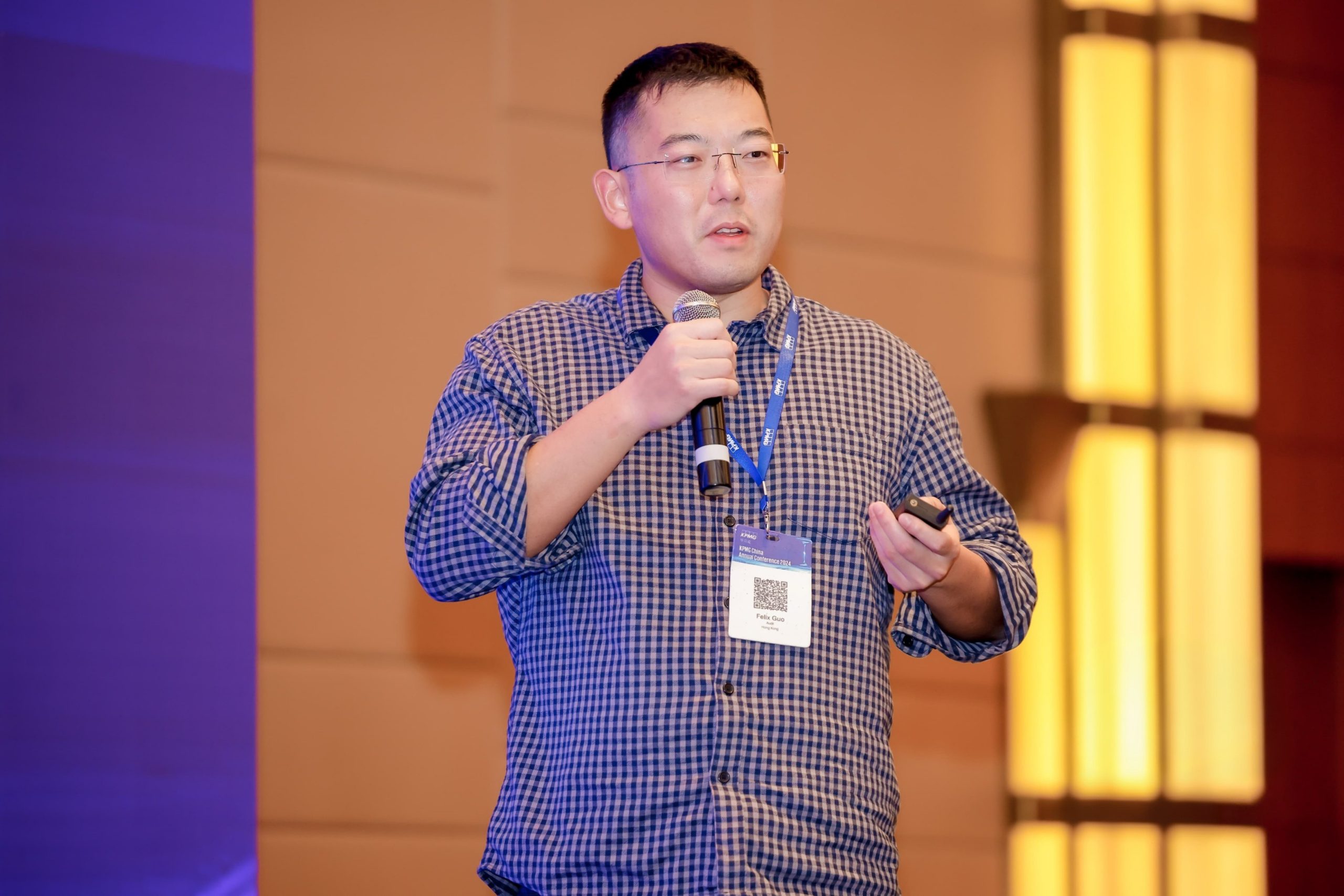
Felix Guo, who grew up in the history-steeped city of Kaifeng in Henan, sees himself as a steward of the profession. As Audit Partner at KPMG in Hong Kong, a key part of his role is mentoring the next generation of auditors. “Passing on not just technical skills, but the right judgement and ethical compass,” he says. “When the time comes for me to retire, it would mean a great deal to me if I could look back and see that I’ve left the profession better than I found it.”
The 2008 financial crisis shaped Guo’s career choice when he was a second-year undergraduate at The Chinese University of Hong Kong. “In that atmosphere of uncertainty, the accounting profession stood out to me,” he recalls. “It offered a clear framework for understanding how businesses work, and a stable, respected career path built on integrity.” That clarity led him to professional accountancy and, upon graduation in 2011, to KPMG.
Pursuing the HKICPA qualification was essential, he notes. “First, it’s the language of business here – the vast majority of Hong Kong listed companies report their financials under Hong Kong Financial Reporting Standards (HKFRS),” he says. “Second, its global recognition offered incredible flexibility. The mutual recognition with bodies like the Chinese Institute of Certified Public Accountants (CICPA) and others worldwide meant this qualification was a passport, not just for my career in Hong Kong, but for a truly international future if that path ever opened up.”
“The mutual recognition with bodies like the CICPA and others worldwide meant this qualification was a passport.”
Guo says the qualification was “absolutely foundational” in the path to becoming partner. It gave him the confidence and the technical authority to lead complex audits, as well as connected him with peers and industry leaders through Institute events, broadening his perspective. “That blend of technical credibility and cultivated professional insight is, I believe, an essential part of the journey to partnership,” he says.
He became an Institute member in October 2014, and through mutual paper exemption arrangements, he later secured CICPA membership in 2016, building, he says, “a comprehensive, cross-boundary professional credential in a coherent and efficient way, improving my ability to serve clients operating in both markets.”
His advice to fellow Mainland professionals considering the QP is to leverage their Mainland background. “Your Mainland background is more than just where you come from, it’s a significant asset.” As he sees it, professionals who understand both markets are vital connectors. “As Hong Kong serves as a stage for China’s global engagement, accounting professionals have a unique opportunity – and I see it as a meaningful responsibility – to help tell China’s story accurately and clearly to the world through the universal language of finance and audit. The HKICPA route equips you perfectly to be that bridge.”
He sees Institute members having a critical role to play in the GBA, where differences in regulatory systems and technical standards remain. “We should work together with our peers in the Mainland and Macau to align practices, to build understanding,” he says. “And, more importantly, to ensure that the integrated market of the future is built on a foundation of transparency and trust that benefits everyone.”
Gaining an edge
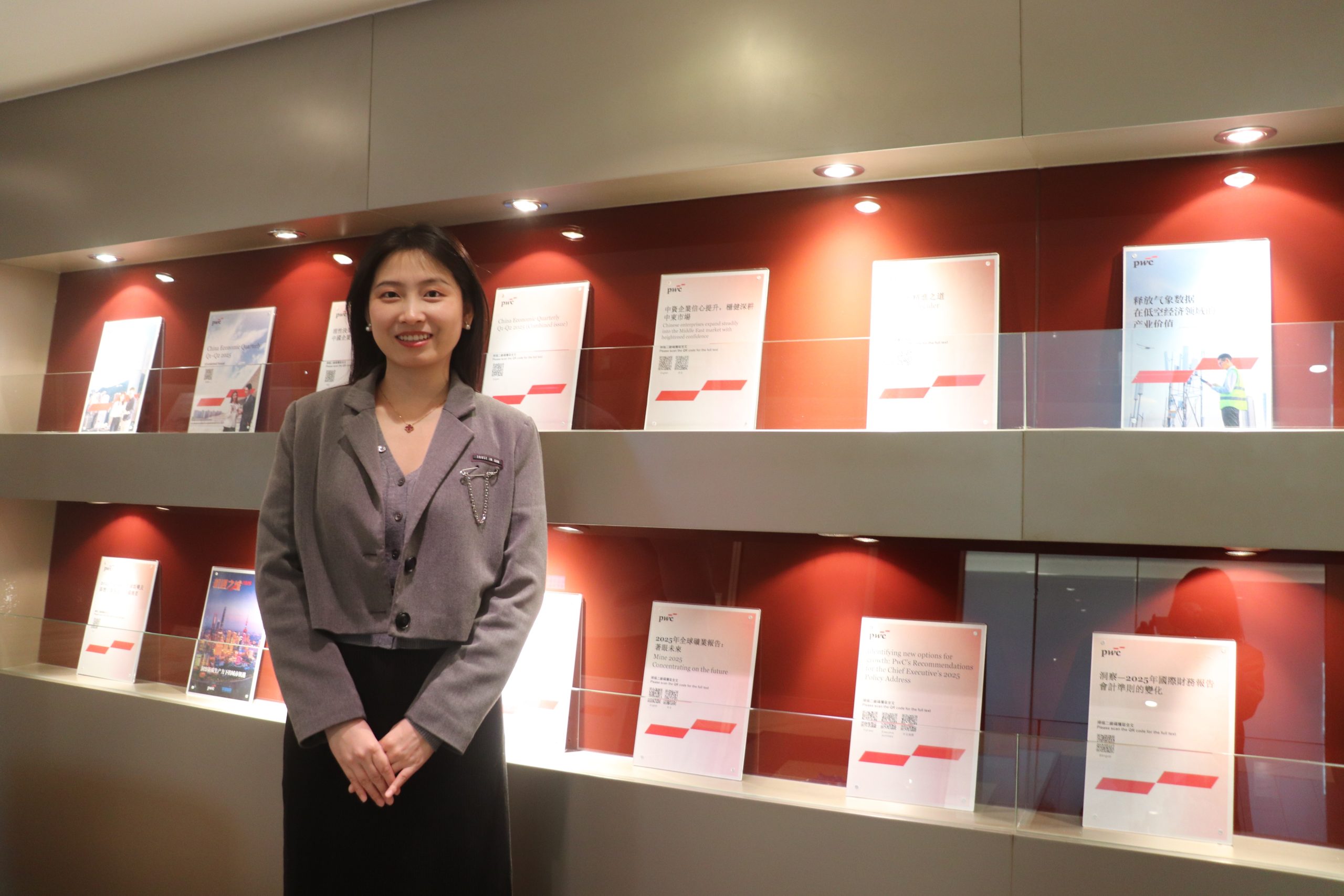
For Diana Dai, the path to becoming a CPA began with a childhood tradition. Growing up in Qingdao, she eagerly anticipated her grandfather’s New Year red envelope whose size fluctuated based on her academic performance. “The size of the envelope wasn’t fixed; it depended on my annual academic ranking, the awards I’d won, and the competitions I’d participated in,” says Dai, Manager, Assurance at PwC in Hong Kong. “What made it even more special was that I got to manage and spend that money all on my own.” Those early decisions – “saving for a book vs. splurging on snacks” – planted the seeds for a career managing far larger budgets. “It taught me accountability before I even knew the word,” she says.
With a growing interest in finance and business, Dai went on to study at The Hong Kong Polytechnic University’s School of Business. “I initially enrolled in the Management and Marketing programme, but shortly after starting classes, I realized accounting is the backbone of all business fields,” she says. After graduating, Dai decided to stay in Hong Kong to build her career.
Dai’s path of pursuing the HKICPA qualification first, then converting to CICPA, demonstrates the power of the mutual recognition between both qualifications. “This decision was a natural and strategic choice, closely tied to my academic background, work experience, and practical needs,” she explains. The HKICPA’s “Early Bird” examination pathway, designed for university students in Hong Kong, allowed her to start her QP journey while still studying at university.
“What I love most about this city is its orderliness and commitment to fairness.”
After joining PwC, she gradually realized the necessity of obtaining the CICPA qualification to better serve Mainland clients. “What made this transition even more appealing was the exemption policy: since I had already passed the QP exams, I was eligible for exemptions from four CICPA papers,” she says. “This saved me hours of repetitive preparation, allowing me to concentrate on understanding the differences between HKFRSs and Chinese accounting standards.”
Dai believes that her qualifications now give her a unique edge, allowing her to manage issues in her job. “My CPA training has instilled in me a rigorous auditing mindset and a keen awareness of risk. For example, when I was responsible for the annual audit of a cross-border company, I discovered a control deficiency in the cut-off of revenue recognition within its internal control process,” she says. “Leveraging my understanding of the standards in both jurisdictions, I assisted the client in sorting out their system and manual management processes.”
Outside of work, Dai says that actively joining social events has helped her expand her network and integrate deeply into local life. “I also made a conscious effort to learn Cantonese. While English and Mandarin are widely used in professional settings, being able to communicate in Cantonese made it easier to connect with local colleagues and clients on a more personal level,” she says. “What I love most about this city is its orderliness and commitment to fairness – in the workplace, your efforts and capabilities truly take precedence, creating a level playing field for every professional. On top of that, its prime location makes travelling incredibly convenient, letting us strike a nice balance between work and leisure.”
Dai says that becoming an Institute member has been a “career game-changer” for her. “As a globally recognized qualification aligned with International Financial Reporting Standards (IFRS), it unlocked core opportunities at PwC – from leading cross-border audit engagements for Hong Kong-listed clients to accessing exclusive professional networks of HKICPA peers and industry leaders.”
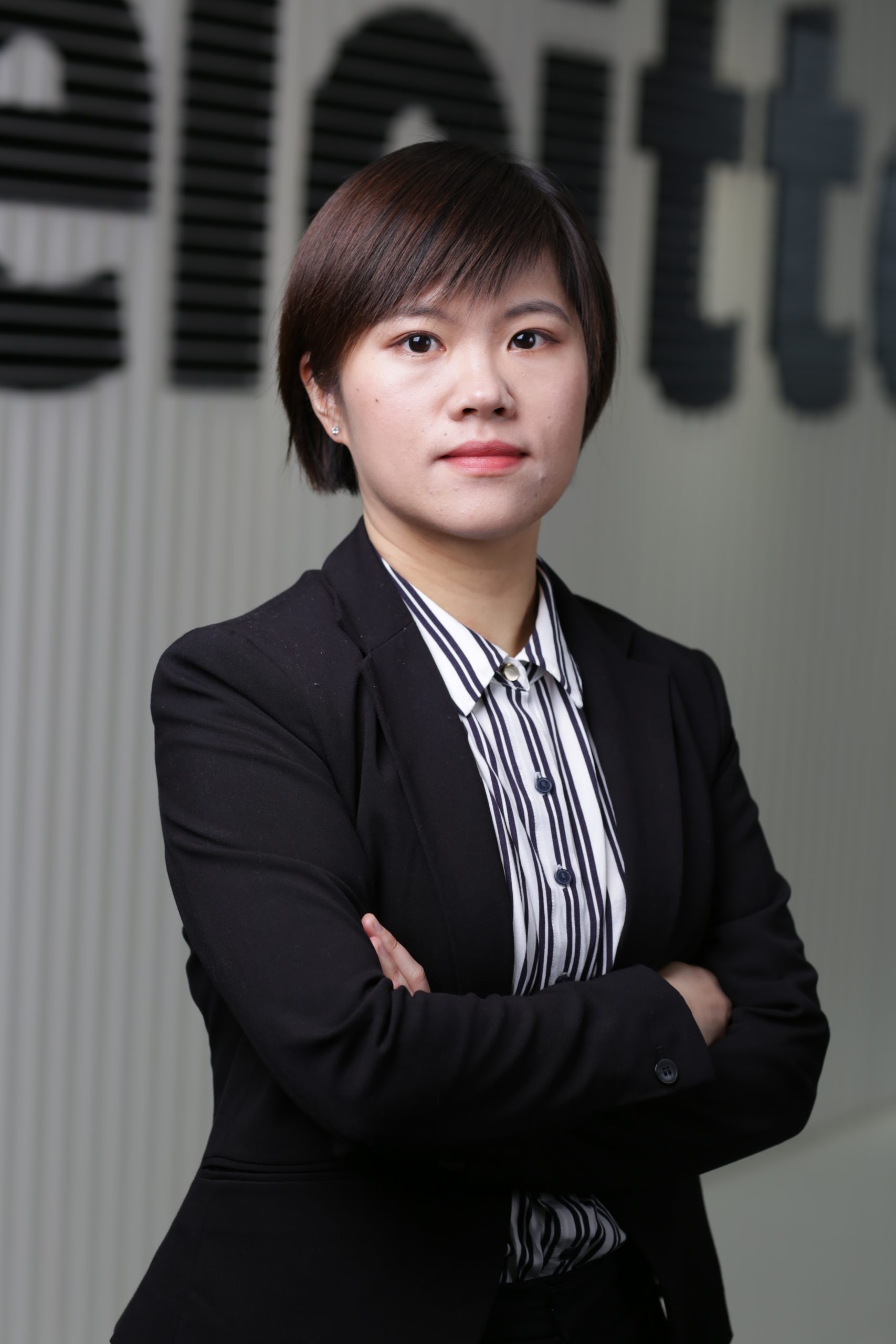
Real-world success
When Beryl Chen was working on a high-stakes Hong Kong IPO in Shanghai, three new major accounting standards – IFRS 15 Revenue from Contracts with Customers, IFRS 9 Financial Instruments, and IFRS 16 Leases – were being rolled out simultaneously. Her client needed to adopt or early-adopt these complex frameworks within a tight reporting window.
At the time, she was studying for the QP, which worked in her and her client’s favour. “My preparation for the QP gave me a solid grasp of these standards and, more critically, the ability to apply them in real-world contexts,” explains Chen, Senior Audit and Assurance Manager of Deloitte China in Shanghai. “This enabled me to identify key audit risks, design effective testing approaches, and provide timely, accurate guidance to the team and client. As a result, we contributed to a smoother IPO process.”
Born and raised in Shanghai, Chen graduated from Shanghai University of Finance and Economics with a Business Administration degree, with ambitions toward working at one of the Big Four and a long-term career in audit and assurance. After joining the audit and assurance department at Deloitte focused on Hong Kong-listed companies and multinational corporations, and several Hong Kong IPO engagements, she quickly recognized the value of obtaining the HKICPA credential alongside her existing CICPA qualification.
“Leverage the exemptions available to CICPA members, but don’t underestimate the QP.”
“I frequently dealt with financial statements prepared under IFRSs, which deepened my exposure to Hong Kong’s regulatory and accounting environment. This naturally motivated me to pursue the HKICPA qualification to strengthen my technical expertise and professional credibility in daily audit work,” says Chen. Leveraging exemptions for three modules – Financial Reporting, Corporate Financing, and Business Assurance – Chen completed the remaining requirements and became a member in 2019 (since the launch of the new QP, exemptions are now granted for Professional Modules 11-13, namely Financial Reporting, Business Finance, and Business Assurance).
The transition wasn’t without challenges. “Unlike many exams in the Chinese Mainland, which emphasize rote memorization and theoretical accuracy, the QP focuses heavily on practical application and case-based analysis,” Chen recalls. “I had to train myself to connect concepts across disciplines, analyse complex situations, and communicate well-reasoned judgement, rather than simply recalling correct answers.”
Her advice to other Mainland professionals considering the HKICPA route is practical: “Leverage the exemptions available to CICPA members, but don’t underestimate the QP,” she says. “Start early, practice writing structured, professional answers, and focus on how to apply standards, not just what they say.” She also emphasizes aligning studies with real work whenever possible.
Today, Chen leads audit engagements for Hong Kong-listed companies and multinational corporations, with her sights set on advancing into leadership roles. “The qualification not only strengthened my technical foundation but also enhanced my credibility and effectiveness on high-profile, cross-border engagements,” she reflects. “Becoming a HKICPA member opens doors not just in Hong Kong, but across China’s increasingly globalized financial landscape.”