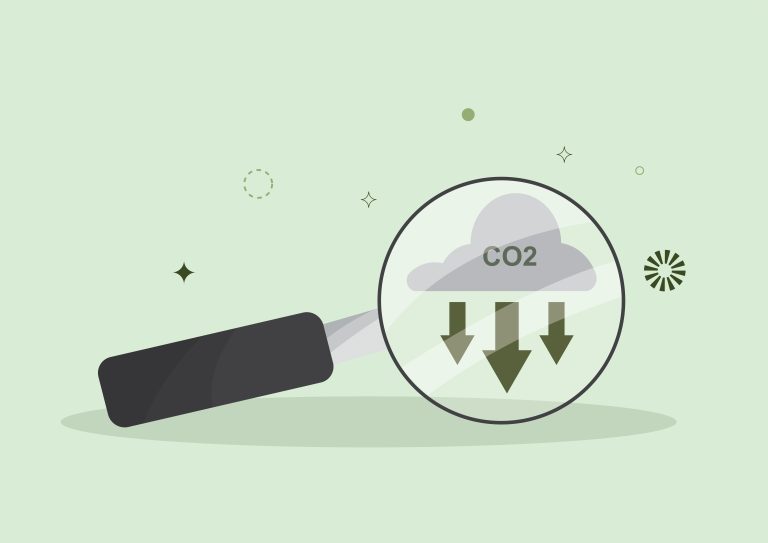









As Hong Kong progresses toward a more sustainable economy, organizations are recognizing the importance of reducing carbon emissions and strengthening climate resilience. For the Hong Kong Institute of CPAs (HKICPA), this journey began in 2022, when the Institute first measured its carbon footprint and set a five-year roadmap anchored on the FY2019/20 baseline. In FY 2024/25, the Institute has achieved a meaningful 43 percent reduction in absolute emissions through a combination of operational enhancements, staff engagement and governance improvements.
While each organization’s carbon reduction pathway is unique, the themes emerging from the Institute’s experience illustrate common success factors that can help others navigate their own transition. The following are five key lessons from our journey so far.
Cross-functional collaboration is the backbone of effective decarbonization
Carbon reduction is an organization-wide effort. At the start of our journey, it became clear that meaningful results required deep involvement from functions. To encourage alignment, the Institute formed a cross-functional task force to coordinate initiatives, monitor progress and facilitate knowledge sharing. This structure ensured that operational insights, such as energy consumption patterns, event logistics, procurement practices and digitalization opportunities, could be integrated into a coherent decarbonization strategy.
The collaborative approach also helped identify practical improvements which collectively contributed to the Institute’s steady emissions reduction over the past few years.
Upskilling is essential for both data quality and organizational impact
Many of our 150 staff members were new to sustainability when our journey began. While collecting activity data may appear to be straightforward, the significance lies in understanding how individual actions shape the organization’s environmental footprint.
Early investment in staff training made a notable difference. Upskilling sessions were designed to build foundational literacy on carbon accounting, emissions sources, reporting protocols and the purpose behind the work. By helping colleagues recognize the link between data accuracy, organizational integrity and external trust, we fostered a deeper sense of ownership across teams.
Upskilling helped create consistency across departments as a common understanding of sustainability concepts ensured that data collection and operational decisions were applied in a coordinated manner, supporting more effective implementation over time.
Strong internal controls and a clear roadmap
As expectations rise for reliable, decision-useful climate information, strong execution discipline has become central to the Institute’s carbon reduction journey. On the reporting side, the Institute established structured internal control mechanisms, including clear accountability, defined review procedures and traceable documentation. Disciplined reporting cycles and validation steps helped ensure accuracy and consistency, enabling more meaningful year-on-year benchmarking and providing a sound foundation for future assurance.
At the same time, the Institute embedded sustainability-related initiatives into its annual strategic planning process to guide operational execution.
Transparency strengthens accountability and trust
Instead of presenting figures in isolation, we provide clear explanations of the methodology, assumptions, progress, and areas for future enhancement. This promoted trust among stakeholders and reinforced our commitment to continuous improvement.
Equally important, transparency cultivated internal accountability. When colleagues can see progress and recognize the organization’s ambition, they are more engaged in contributing to the transformation. Including sustainability in key meetings and reports also ensures that sustainability remains visible at the leadership level, supporting sound decision-making and resourcing.
The Institute has developed a disclosure enhancement roadmap allowing the Institute to gradually expand the scope, depth and integration of sustainability information in alignment with HKFRS S1 and S2 as internal capability and systems evolve.
Embedding sustainability into organizational strategy creates lasting value
Perhaps the most important lesson is that sustainability must extend beyond operational efficiency and become part of the organization’s long-term identity and direction. For HKICPA, this means integrating climate and sustainability considerations into governance, risk management, standard-setting and capacity-building functions.
Internally, sustainability is increasingly embedded into planning, resource allocation, staff engagement, and technology enhancement. Externally, the Institute is driving the profession’s transition by issuing standards, delivering extensive training, engaging with regulators and global partners, and supporting the broader ecosystem’s development.
Most importantly, the Institute’s sustainability efforts reflect its public-interest mandate: to uphold the integrity of financial and sustainability reporting while equipping Hong Kong’s accounting profession with future-ready skills.
The first phase of the Institute’s journey laid a strong foundation for deeper sustainability integration. While carbon reduction is a long-term commitment, the Institute’s experience demonstrates that meaningful change is achievable when sustainability becomes part of how an organization thinks, decides and operates.