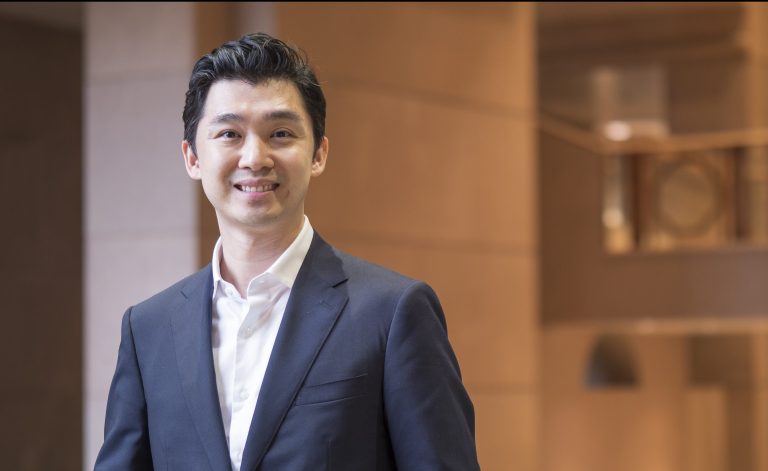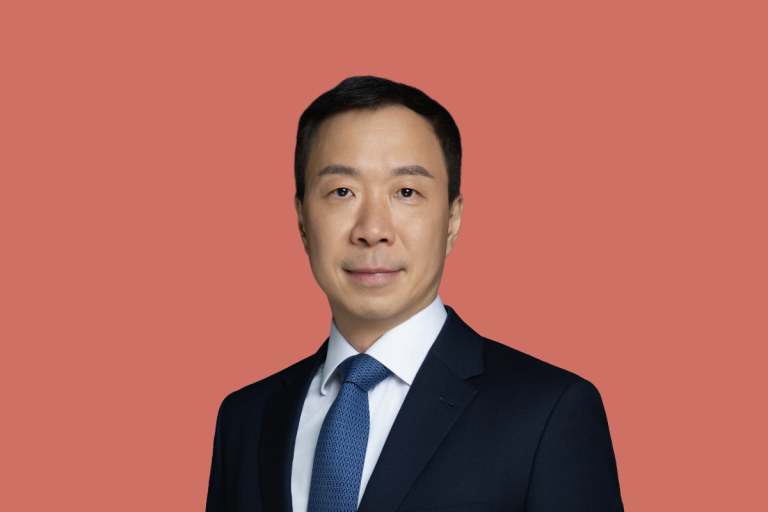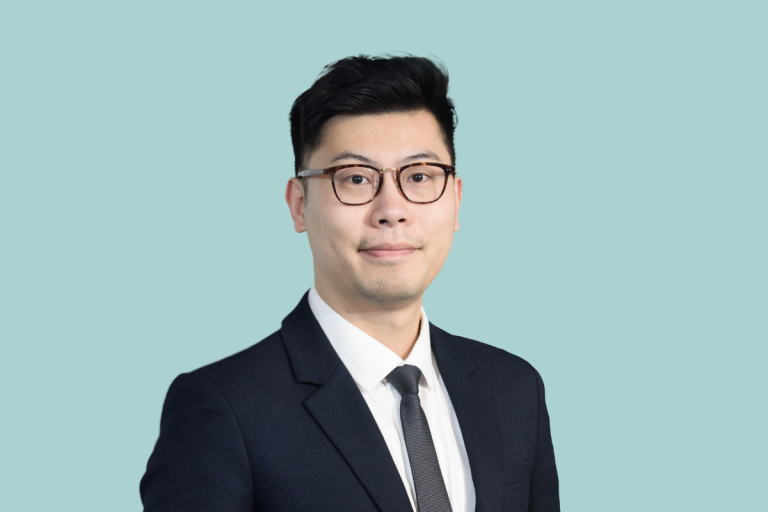







Please explain your current role and responsibilities. What drew you to the role?
Through my role at a leading global bank, I help shape the enterprise artificial intelligence (AI) strategy and turn business needs into solutions that are safe, and scalable in practice. My career began in management consulting, advising clients across industries and geographies, which gave me a strong foundation in strategy, technology transformation and stakeholder management in complex, multi-market environments. I was drawn to this role because it brings together the areas I care most about at a pivotal time when these emerging technologies are creating fundamental changes in how organizations work.
What are the most rewarding and challenging aspects of your role, and why?
The most rewarding part of my role is seeing new capabilities offered by AI realized into something that helps colleagues work more effectively and confidently. I enjoy being part of the process that turns an idea into real adoption, especially when it leads to meaningful benefits for teams and the wider business. It is also rewarding to help shape the conditions for responsible innovation at scale. The biggest challenge is keeping pace with a fast-moving space while staying thoughtful and disciplined in how we bring new solutions to life. To overcome this, I’ve found you have to consciously separate the hype from that natural urgency to just jump into “doing something” whenever a new technology comes along. Instead, I try to carve out precious time upfront to ask the tough questions around why we are doing this. That upfront discipline of pausing to ask those questions ensures that when we do move, we are solving a real business problem, not just chasing a trend.
What are the biggest lessons you have learned so far from your work experience or managers?
One of the biggest lessons I have learned is that a strong strategy only matters if it is matched by thoughtful execution and commitment. Early in my career, working in the consulting arm of a Big Four firm, I initially thought the job was all about the technicalities, building the perfect slide deck or meticulously planning a large-scale technology launch. But looking back, the most valuable takeaway wasn’t the technical work; it was the resilience and versatility I had to build. Moving across different clients in completely different industries to tackle a brand new business problem every few months forces you to adapt incredibly fast. That environment helped me build the confidence and resilience to deal with transformations that step entirely into the unknown – which is exactly what we are doing today with new technologies like AI. It taught me that when you are navigating uncharted territory, success rarely comes down to the technology itself. It comes down to keeping people aligned and following through when things get ambiguous.
Where do you see yourself in the next five to 10 years in your career?
I do not have a crystal ball, and with the pace of emerging technologies, I don’t think anyone can say for certain how the future will unfold. What I do know is that I am fortunate to have a front-row seat to help shape how AI gets embedded in the future-of-work and to be part of this exciting period of transformation. We are in the middle of one of the fastest and most transformative technological shifts we will probably see in our careers. Right now, understandably, there is an incredible amount of excitement, and businesses are racing to adopt AI across almost every possible area. Over time, however, I anticipate a deliberate, conscious slowing down as organizations take a harder look at return on investment, and customer and employee experience. It wouldn’t be surprising to see a slowdown, or even a reversal, of some early AI investments, as we’ve already seen companies do this year. Just because you can automate something doesn’t mean you should automate everything. Longer term, I hope to help business leaders and employees feel more confident embracing new technologies as a major part of how work is done, knowing that these technologies have been scaled thoughtfully and empathetically, with humans at the centre.
In what ways has your CPA training or qualification helped you in your career so far?
My CPA training gave me a strong foundation in disciplined, structured thinking and ethical professional judgement, and those qualities have stayed with me throughout my career. It guided me to be organized, detail-oriented and comfortable working with complex information, which has been invaluable in roles that involve managing portfolios, business cases, budgets and governance. Just as importantly, it shaped the way I approach my work, with a strong sense of accountability grounded by ethics. That has stayed important as I have moved into AI, where the technology may be advanced, but the real impact still comes down to people, how they use AI and the value we help create for them.