







What are the biggest lessons from your career so far?
I spent my first three years auditing asset managers, and I found myself constantly drawn to the “why” behind the numbers. Instead of just confirming what had already happened, I wanted to help clients improve how their businesses actually performed. In 2012, I followed that instinct and joined a small strategy team at EY. Within months, I was assigned to a project in Taiwan, followed by a six-month secondment in Beijing supporting multiple cross-border transactions. For the first time, I was helping shape decisions, and I’ve never looked back. My biggest lesson: follow the questions you can’t stop asking. Skills can be learned. Curiosity is what keeps you growing.
What’s the biggest challenge in coordinating strategy across such diverse markets across Greater China?
By day, I’m hosting calls in Mandarin with a client’s China leadership. Late at night, I’m on global calls in English with colleagues and clients in the United States and United Kingdom. Those shifts taught me that the hardest gaps in cross-border work aren’t time zones. They’re in how people make decisions. Headquarters may want every assumption tested, while local leaders want a clear answer, fast. Both are right in their own context. My job is translation, not of language but of logic, so that teams in the US, UK, the Chinese Mainland and Hong Kong can stand behind the same conclusion.
What shifts are you seeing right now in how multinational companies approach the region?
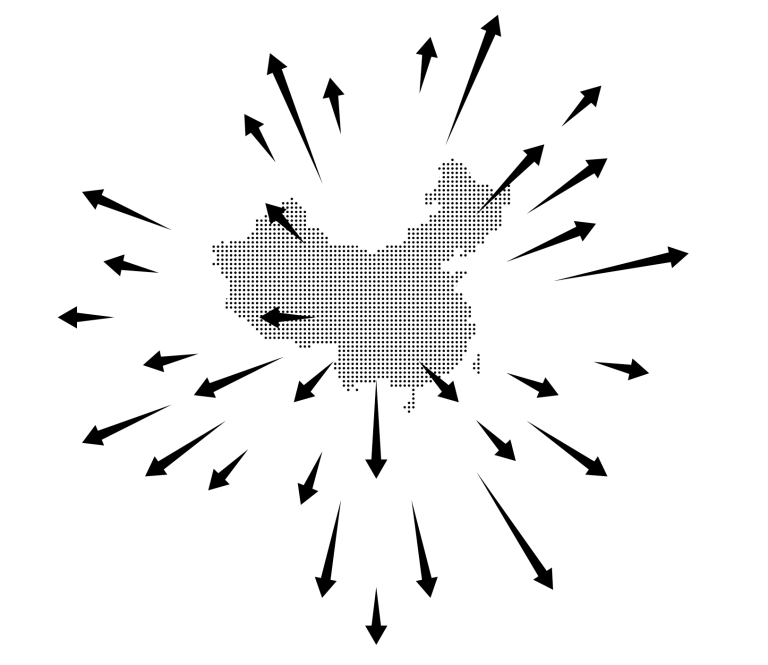
Multinational leaders used to ask what China could do for their global business. Now they ask how their China business can stand on its own. Global multinationals are moving from “China for the world” to “in China, for China,” localizing R&D, supply chains, leadership and sometimes ownership. That is driving a new wave of strategic M&A: carve-outs of China operations, partnerships with local champions, and acquisitions that buy speed and local know-how. With geopolitics on every board agenda, each structure needs a stress test from day one. The winners aren’t retreating from China. They’re redesigning how they own and run their business there.
How has your role evolved?
When I joined, our Hong Kong Strategy and Transactions team was small, and we could cover only a few functions and sectors. As the team grew, we strengthened our functional capabilities and deepened our sector expertise. Today, we work alongside EY colleagues worldwide on some of the largest transactions globally, and artificial intelligence handles much of the groundwork, freeing our people to focus on judgement. The defining skill in becoming a partner was earning trust beyond the transaction. That’s why I invest time outside client work, helping expand EY’s Hong Kong Family Office Circle and serving as Founding Vice Chairman of the Federation of Hong Kong Industries’ Medical Engineering and Innovation Council. Both keep me close to the people shaping Hong Kong’s future.
How has your CPA qualification helped you in your role?
Auditors learn to ask one question over and over: “How do you know?” Auditing hedge funds, private equity and mutual funds, where valuations often rest on judgement, taught me to respect detail and distrust easy answers. That question is now the backbone of my due diligence work. Above all, the qualification gave me a commitment to integrity. Sometimes the most valuable thing we can tell a client is that a deal doesn’t make sense.