




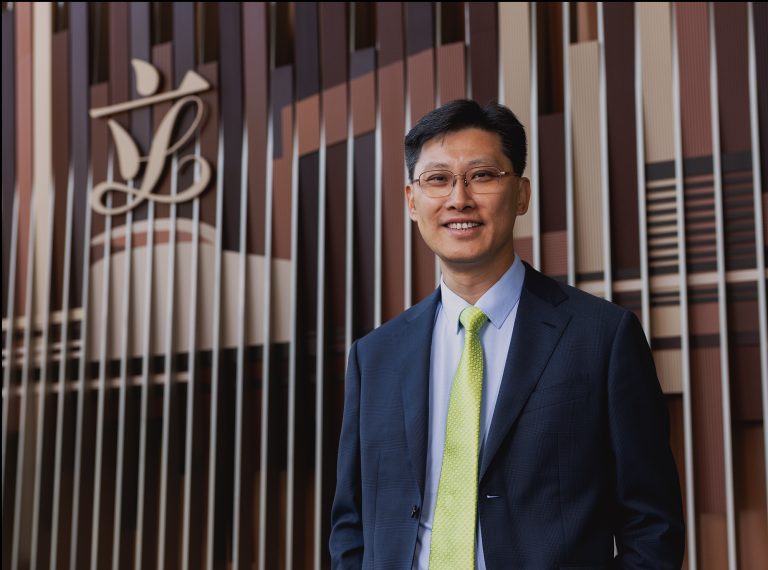





Tell us about your role and the issues you deal with.
As part of the bank’s senior management, apart from overseeing financial crime and compliance functions, I also attend the bank’s Executive Committee meetings to discuss and handle the general banking matters. Over the years, I have accumulated knowledge and experience in the banking industry from auditing, regulatory, and compliance perspectives. This has given me insight into the bank’s framework, workflow, products, internal controls, and regulatory requirements, allowing me to steadily broaden my scope in the banking sector. Management is another soft skill I have developed and can use to enhance the effectiveness and efficiency of banking operations.
What drew you to the anti-fraud space?
I started my career in PwC Assurance (Financial Institutions Group). After obtaining my CPA qualification, I chose to develop my knowledge and experience in Hong Kong’s financial market regulation. So I went on to work at the Securities and Futures Commission, Hong Kong Exchanges and Clearing Limited, and the Commercial Crime Bureau. About 12 years ago, I joined banking to apply this composite experience. A bank typically offers a wide range of products, from deposit taking and lending to securities brokerage, IPO settlements and transactional banking, etc. My composite experience from previous financial regulatory bodies has given me a solid foundation to better serve the bank and its customers from a compliance and protection perspective.
How is your team using technology like AI for anti-fraud measures to protect customers?
Technology makes it easier for criminals to reach many potential victims, using deepfake technology and tailored scenarios. To tackle this, we must also apply AI and technology. Many banks use robotic process automation for information retrieval and comparison to boost efficiency. We also use machine learning to “teach” the program how to investigate suspicious alerts like a human would, as well as to compile suspicious transaction reports. Whenever we identify potential victims during an investigation, we reach out immediately to persuade them to cancel the fund transfer and protect their assets. Under my leadership, ICBC (Asia) has been honoured with many prestigious awards from Hong Kong’s foremost regulatory and law enforcement institutions in recent years, underscoring our excellence in financial crime prevention and detection, which was significantly strengthened by our AI application and RegTech innovations.
How has your CPA qualification helped you in your role?
The most valuable thing I learned is how to review financial statements. The ability to quickly assess a company’s financial status, assets and liabilities, profit-earning ability, going-concern issues, and auditor’s opinion is essential to performing effectively in financial work. In addition, the qualification process trained me to find the root cause of issues and solve them accordingly. Just like when total debits and credits in a trial balance are not equal, when we cannot produce correct financial statements, we must identify the root cause.
What are the biggest lessons from your career so far?
Following your passion and pursuing a job you truly care about will drive you to go to work every day and give you the determination to tackle challenges. In the end, you will find job satisfaction and career achievements over time.