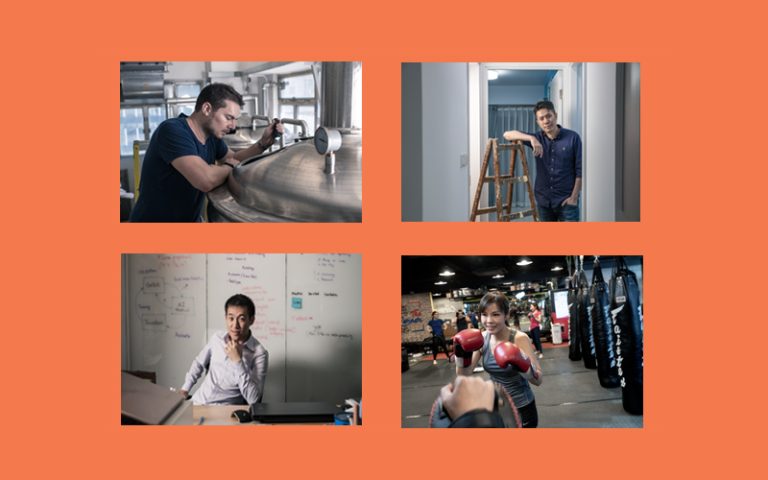






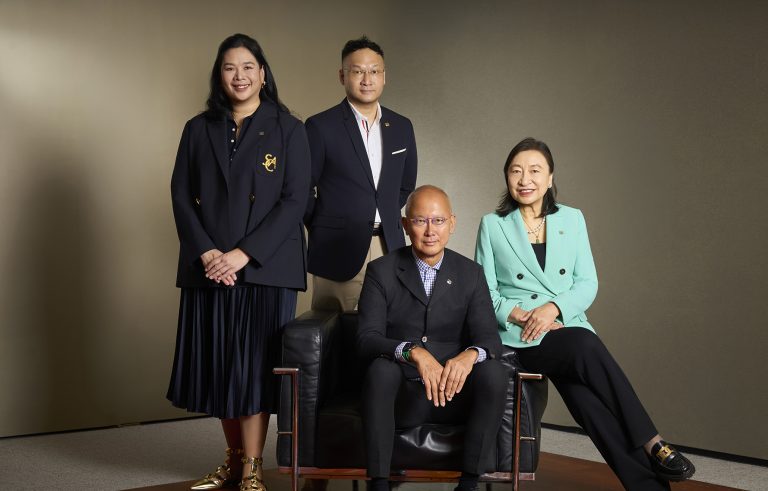



Margaret Leung’s journey into women’s empowerment began with a refusal. When she was working at JP Morgan, a human resources manager asked her and several other women to establish a women’s council for Hong Kong, her response was immediate: “No, we don’t need such a council,” said Leung, who grew up in Canada. “I assumed everyone was as content as I was. In early 2000s, jobs were plentiful and career opportunities were abundant.”
Then she was given some statistics, and changed her mind. “The most significant differences and gaps appeared at the lower levels. In addition, the ratio of female to male executives was quite shocking and resembled a pyramid. Senior women executives then were mostly in supporting roles, rather than business head positions. That information convinced me that we should take action and narrow the gap,” she says.
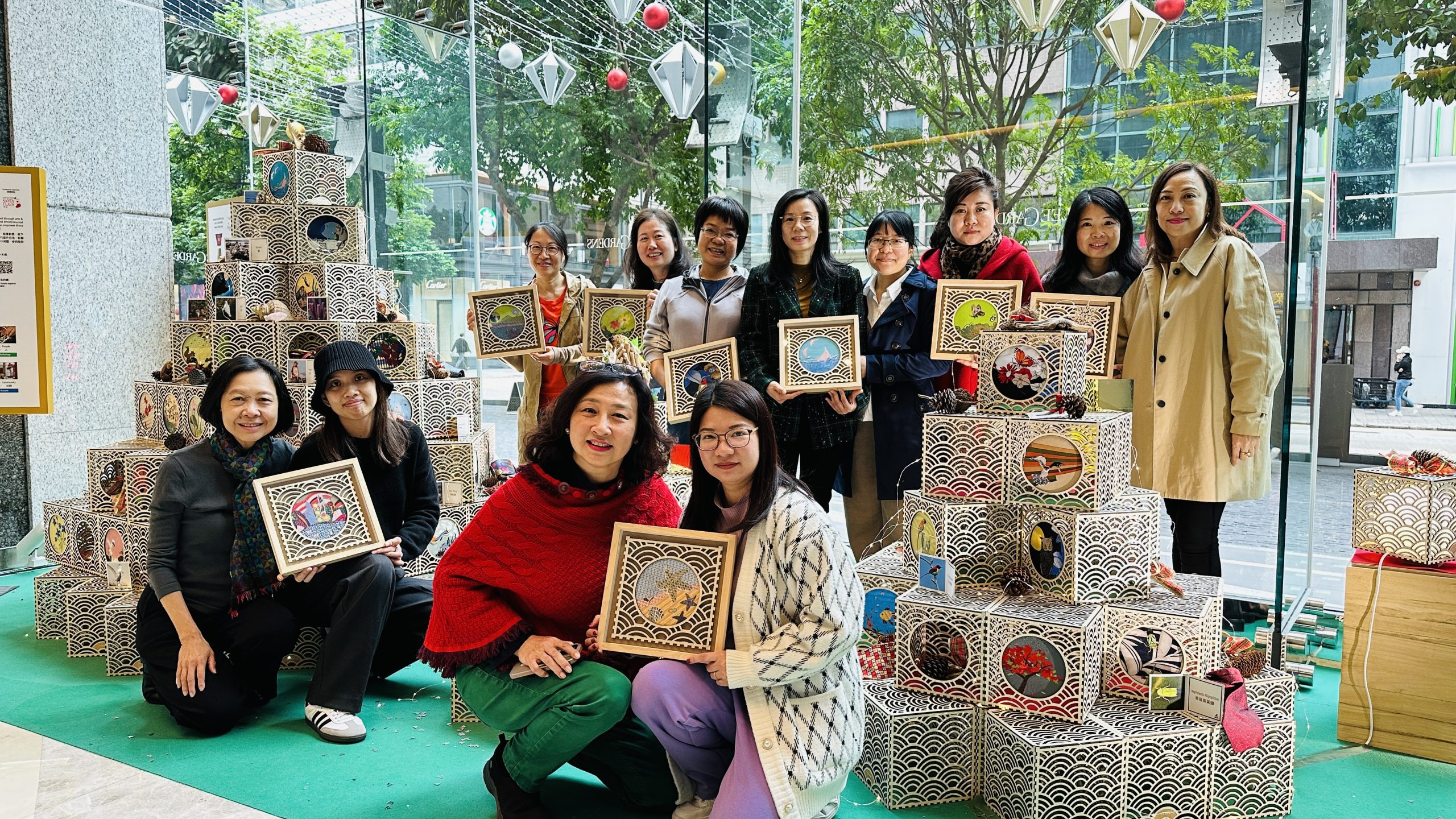
That eye-opening moment set the course for a career defined not just by professional achievement, but by a determination to use influence purposefully. Leung went on to help form the women’s councils for most of the banks she worked for, and today, she is the Founder of Les Beatitudes Foundation, a charity supporting women in Hong Kong, mainly from the city’s most impoverished districts, by hiring them to make fashion accessories and art pieces through upcycling men’s neckties. “We also train and empower them to grow as they serve a wider community in need for Hong Kong,” she notes.
Her advocacy goes back decades, spanning boardrooms and golf courses where she was frequently the only woman. “Playing golf with 85 men in South Korea while being the only woman on the course was very upsetting. No female executives or clients were invited, and the men could not avoid me because I was the host,” she says. “That loneliness can become a source of motivation.”
When Leung left banking to build the charity from scratch, her CPA training guided her. She says it taught her to be fearless, to walk into unfamiliar environments and identify issues quickly, to manage competing demands and maintain rigorous governance. “Respecting governance helps build a solid moral compass that is absolutely necessary in life and work. Also, knowing the numbers allows us to assess situations realistically. Can we afford to take on a project? We need to understand the numbers and the financial implications to build a realistic and executable plan for a social enterprise and for ourselves,” she says.
The absence of support structures was an early challenge, Leung says, but her CPA training kept her steady. “All CPAs begin by drawing a process map of a company,” she says.
“Always remember that the women before us made time for us and opened doors for us.”
Leung notes that in moments of crisis, there had been opportunities to demonstrate leadership with empathy and a soft touch. When she was head of financial institutions for North Asia at a bank, an earthquake and tsunami struck Japan and she flew in to support the local team, the industry, and the government. “We continued our bank’s sponsorship for an international insurance conference. We demonstrated leadership, whether female or male, and highlighted important subjects such as catastrophic insurance and sustainability bonds. Most of all, we showed the market that women can be courageous too,” says Leung. During SARS, the women’s council she had helped establish gave women a voice. “We allowed all pregnant staff to go home until we understood what SARS was,” she says.
As CEO of the foundation, Leung leads with a philosophy that values flexibility and readiness “to lead and be led”. The timing is always a delicate balancing act, she adds. “Many women executives make the mistake of being too strong and at times too humble,” she says.
Indeed, Leung believes she wouldn’t be where she is today without the support of open-minded men and women. At a women’s leadership course at Smith College in the United States, she was taught by senior women executives to always look out for the next potential woman leader and help her advance, and that visible women in leadership enable other women to rise. “The senior executives said optical impact can be a very powerful statement,” Leung recalls. “Always remember that the women before us made time for us and opened doors for us. We should also make time for the women who come after us.”
A mother’s insight
It’s well known that becoming a mother changes a woman in ways that are not always visible. For Debbie Pak, Assistant Private Banker at Royal Bank of Canada, it fundamentally changed the way she approaches client advisory. “I no longer see a trust or a will as merely a legal or tax-efficient document; I see it as a parent’s final ‘love letter’ to their children,” she says.
This empathetic lens, born from being a mother of two, now defines Pak’s work in Hong Kong’s competitive wealth management sector. Pak, who began her career in the tax department at PwC, transitioned into wealth management to bridge technical expertise with personal impact. “I realized that technical skills alone don’t solve human problems,” she explains. “It is an industry built entirely on trust; to provide a truly effective solution, you have to look beyond the numbers to understand a client’s personal anxieties, their dreams for their children, and their family dynamics.”
Currently, Pak oversees comprehensive management of high-net-worth accounts. The opportunities of her job are in the human connections. “Building that deep level of trust and seeing a family’s financial goals come to fruition is what makes this profession so fulfilling. It’s about more than just assets; it’s about being the person they call during life’s biggest transitions,” she says.
The fast-paced markets and shifting global regulations require her to be agile and decisive. “Meeting the highest standards of compliance while delivering timely advice is a delicate balance, but it is exactly where my accounting background provides the most value to my clients,” she notes.
Yet it is Pak’s life as a working mother that has most profoundly shaped her approach. She says those early years as a mum building her career were “a masterclass in prioritization and resilience,” involving sleepless nights and the heavy mental load of balancing a demanding career with a growing family. “I quickly realized that striving for perfection in every direction was unsustainable,” she says. Pak learned to identify the three most important tasks each day and to hold a five-year vision, discovering that true balance is not a perfect 50/50 split but about “intentional presence.”
“You cannot give your best to clients or your children if your own tank is empty.”
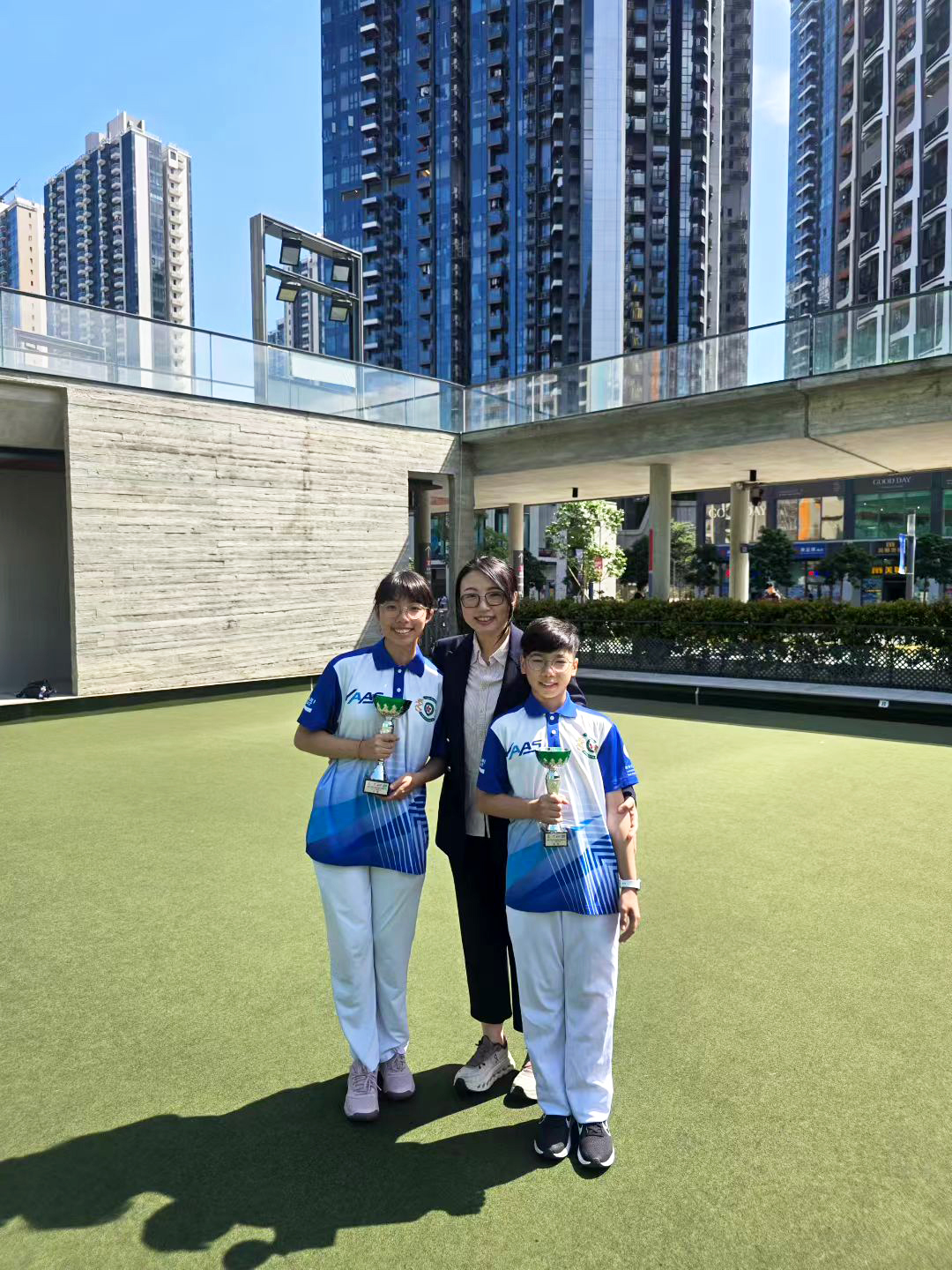
These days, business hours are dedicated to clients through time-blocking for maximum focus. Evenings belong to family. Dinners with the family are a sacred time for listening to her children’s highlights and challenges. “Afterwards, I transition into a supportive role – reviewing their homework and staying involved in their learning journey,” she says. “Both of my children are currently in a Hong Kong youth team, so a large portion of our family time is actually spent at practices and matches. It’s a huge part of our intentional presence and something we are very proud of.”
This dual perspective has made Pak a passionate advocate for financial literacy, particularly for children. As an Accountant Ambassador, she participates in school workshops for the Institute’s “Rich Kid, Poor Kid” programme, and recently spoke to the press about the results of the Institute’s Teen Money Management Survey 2025. “Financial literacy is one of the most essential life skills, yet it is rarely taught in a traditional classroom setting,” she notes. “As a mother, I want my own children, and indeed all children, to enter adulthood not with anxiety, but with the confidence to manage their resources wisely.”
What Pak sees during school visits inspires her to continue the work. “There is nothing more rewarding than witnessing a young person move from being intimidated by financial concepts to feeling curious and capable of managing their own future. Those ‘lightbulb moments’ in a classroom are just as significant as the large-scale advocacy work,” she says.
Pak tells new working mothers to never let others define their success. “We live in a dynamic economy that requires us to be resilient and to constantly evolve; learning how to manage multiple skill sets is essential, but so is the ability to define ‘winning’ on your own terms,” she says. They should also adapt priorities as children grow, seek mentors, and prioritize self-care, she adds. “You cannot give your best to clients or your children if your own tank is empty.”

Running her own race
As one of the world’s premier women’s marathon events, serving as a selection race for Japan’s national team, the Osaka International Women’s Marathon is a dream for both elite marathoners and high-level amateurs. Among the runners lining up at the 2025 edition was Carman Tam, Financial Planning Manager at Hong Kong’s Urban Renewal Authority.
“All the Abbott World Marathon Majors (a series of the most renowned marathons in the world) have been memorable, each shaping me into a stronger runner. But the Osaka International Women’s Marathon was the race I dreamed of most,” she says. “The event is prestigious, with strict entry standards and exceptional treatment for participants – dedicated changing facilities, warm clothing until the very start, and staff support throughout.”
Tam crossed the finish line in 2 hours 59 minutes. The 42.195-kilometre course through central Osaka was challenging. “The small field size meant I often had to run alone, and strong winds made it difficult to form groups for drafting,” she says. Finishing under three hours “remains a cherished milestone,” she adds. It represented years of discipline, early mornings, late nights, and a commitment to a life of fulfillment that extends well beyond the office.
She explains the allure of completing a marathon in under three hours. “It is not something that can be achieved through talent alone. It requires years of disciplined training, consistency, and resilience,” says Tam. “For women, it is even more challenging due to physiological differences, making the accomplishment particularly significant. Although difficult, it is not impossible, which is why so many runners are motivated to pursue this milestone.”
Tam’s career has taken her from audit into the commercial sector and eventually into management accounting, allowing her to focus on planning, analysis, and supporting strategic decisions. In her current role at the Urban Renewal Authority, her first in the public sector, she prepares five-year corporate plans and annual business plans, oversees budgeting, and coordinates financial projections across multiple departments.
“Running has taught me to plan ahead, commit to goals, and remain flexible.”
Coordinating departments with competing priorities demands exceptional communication and negotiation skills, but also deep satisfaction, she notes. “Unlike the commercial sector, the focus here is not solely on profit but also on social impact and long-term urban development. This allows me to contribute to projects that directly benefit the community, which is both meaningful and rewarding.”
Yet Tam’s greatest achievements may lie outside her professional life. After leaving audit, she turned to running during rehabilitation from a hockey injury. “Running felt therapeutic. It became the best time of day to connect with myself,” she says. She set a goal to complete a half marathon, and she has since completed six of the seven Abbott World Marathon Majors. She did Chicago last October and finished London this April, completing what runners call the six-star journey.
She also represented the Hong Kong Athletics Team in the Shenzhen-Hong Kong Marathon in February 2025, a historic cross-boundary test event for the National Games. It was a childhood dream realized on a course of bridges and fierce crosswinds. “The atmosphere was incredible thanks to the support of citizens and volunteers. I finished in 3 hours and 3 minutes; though not my best time, I was satisfied given the difficulty of the course,” Tam says. “To give my all in such a historic event was deeply meaningful and a proud milestone in my running journey.”
Balancing a demanding career with serious marathon training takes meticulous planning. Tam schedules high-intensity sessions around track availability, often early morning or late evening, and fits easier runs before or after work. “The key is careful planning and flexibility,” she notes. “Everyone has the same 24 hours; how you allocate them determines your achievements.”
Running, she adds, has sharpened her professional approach. “Running has taught me to plan ahead, commit to goals, and remain flexible. This mindset translates directly into my work: I approach projects with strategic foresight, but I am agile enough to recalibrate when circumstances change.”
For CPAs contemplating long-distance running, Tam’s advice is to start gradually, prioritize consistency over intensity, and embrace the benefits. “Exercise brings both physical health and mental energy, which are invaluable in a demanding profession. Build gradually, enjoy the process, and let running become a sustainable source of strength and resilience.”
A bold reinvention
AusMed Global’s first six years were relentless. Founded in 2017 by Dr. Christine Yip, AusMed Global set out to pioneer a non‑invasive handheld breath ketone analyzer as a painless alternative to finger‑prick blood tests for children with diabetes. Over time, the company has grown into a leading force in non‑invasive ketone technology, advancing the future of diabetes and obesity care.
“The difficulties are far more than whether a technology is good or not. It’s whether you can really bring laboratory-grade accuracy into a portable system that can be used at point-of-care and by individuals at home. That is a very long journey,” says Yip.
On top of that, she faced another challenge. As a woman, she needed to work twice as hard during those early years. “You have to prove to both your team and your outside stakeholders and collaborators that you have the ability and capacity to work in this highly competitive and demanding industry. You have to put in double the effort. Even now, I think that we still have to,” she says. “But once I demonstrated my ability and passion, I began to work more smoothly in the tech world.”
She believes having holistic skills has been powerful, particularly when motivating her team to continue innovating when facing ups-and-downs and many research and development (R&D) challenges. “As women entrepreneurs, we must overcome the many obstacles to get through the tough journey of entrepreneurship.” she says.
“As women entrepreneurs, we must overcome the many obstacles to get through the tough journey of entrepreneurship.”
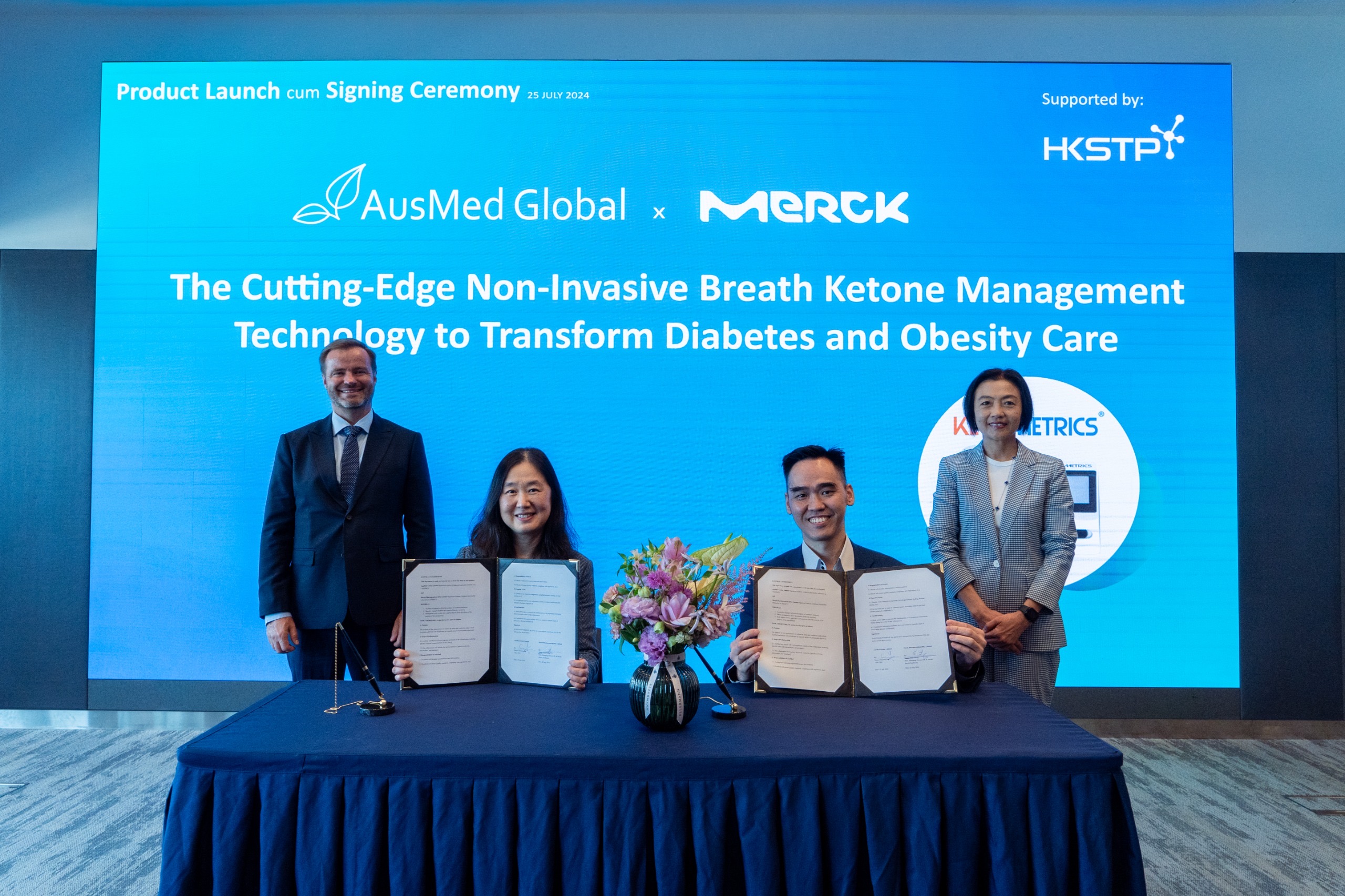
Yip has since led the company to achieving breakthroughs in developing the world’s first medical-grade portable breath ketone system providing a non-invasive alternative to traditional blood testing. The company has released its first model of KetoMetrics®, a solution for diabetes and lifestyle management, and is in partnership with Merck, a leading science and technology company, and China Resources. The company is in the progress of partnering with insurance industry for preventive care, wellness engagement and personalized undertaking. “If we want to position AusMed as the global leader in non-invasive breath ketone management systems, then we need to keep up the R&D momentum. Building on our core technological advancements, we are establishing the KetoMetrics® ecosystem in collaboration with leading universities and industry partners – leveraging AI‑powered digital twin metabolic health modelling to advance human wellness globally.” An IPO, she says, is the goal within two to three years.
Yip leading a cutting-edge life science company was not something anyone could predict. She began her academic journey in the arts before moving into university administration and later business. Seeking rigorous professional training, she broadened her expertise across accounting, law, and corporate governance. Her career advanced from auditing and strategic management into international higher‑education leadership, culminating in a senior management role at the University of Sydney, one of Australia’s leading research institutions.
She met professors, assessed projects, and developed a sharp instinct for identifying which ideas had genuine commercial potential. When the former dean of the engineering faculty introduced her to a research team working on non-invasive photonic sensing for diabetes care, she ran due diligence. “I read extensively, and spoke to people passionate about this, and finally found that the technology was viable and very advance. That motivated me to back it.”
That decision became AusMed Global. Those first six years tested not only the technology but the team, the finances, and Yip’s own tenacity. “Nothing is really smooth in the entrepreneur and innovation journey. But it is full of satisfaction because we want to bring something painless for children and anyone in need.” says Yip.
Throughout it all, she draws from her CPA training. Cash flow discipline, risk identification, strategic foresight, the auditor’s habit of looking beyond the surface are what, she argues, transitioned a compelling idea into a company on the verge of scaling globally.
“Without this background and training, I don’t think I could have led the company to this stage,” she says, adding that it also helped her make the best decisions for her start-up. “Innovative start-ups can grow very rapidly, but my CPA training gave me the professionalism to remain calm and prudent, ensuring we build in a sustainable way. This discipline is essential as we strive to deliver the benefits of our deep‑tech innovation not only locally, but to communities worldwide.”