







What are the biggest lessons from your career so far?
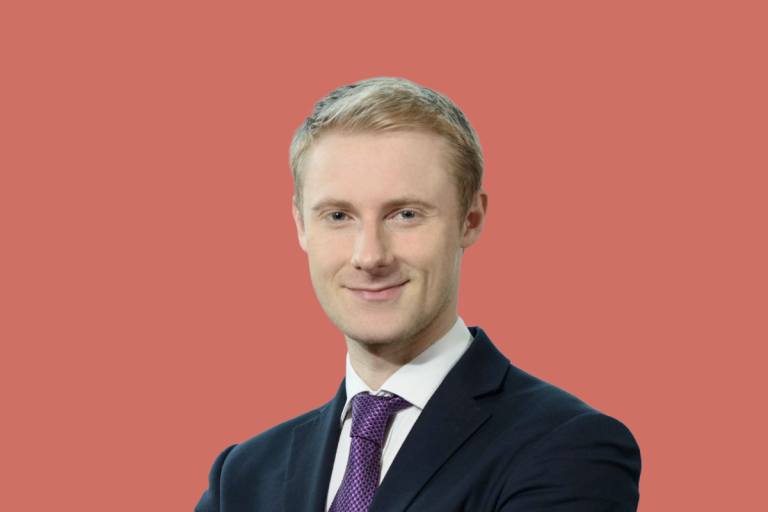
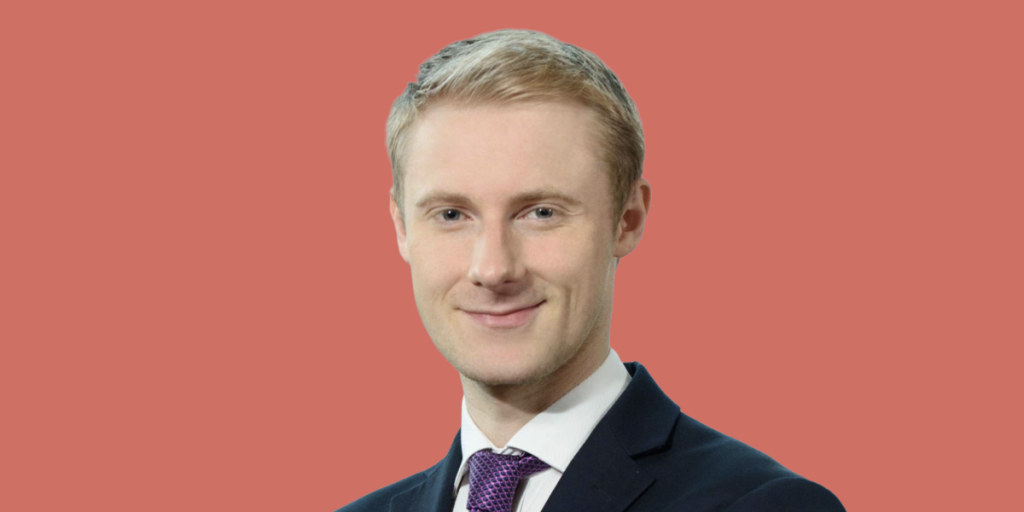
One of the biggest lessons from my career is that building depth takes time, but perspective comes from experience. I began my career in Deloitte’s London office, then moved to Hong Kong on secondment. After returning to the United Kingdom, I later had the opportunity to move back to Hong Kong permanently as a director. Along the way, I also spent time on secondment to Deloitte’s global office in New York, helping to develop parts of our global assurance offering. Working across London, Hong Kong and New York has reinforced for me that while accounting standards may be global, professional judgement is shaped by experience, context and people.
What is the top priority for most finance leaders looking to strengthen the finance function today?
My main client focus is the insurance industry. Here, I see finance leaders very focused on building resilience and sustainability. Many insurers have spent recent years delivering significant programs driven by regulatory and accounting change, such as IFRS 17 and the Hong Kong Risk Based Capital reforms. The priority now is making those changes work in practice. This means simplifying processes, improving data quality and ensuring there is clear ownership across the finance and actuarial functions. Finance leaders want teams that can produce reliable information efficiently, explain outcomes clearly to boards and regulators, and respond quickly when requirements change.
How have you seen technology like AI transform audit work?
I have seen emerging technologies, including AI and advanced analytics, make a real difference in audit by enhancing how we assess risk and where we focus our time, particularly for large and complex clients. Deloitte is investing a lot into developing the capabilities we need to really embed AI into the end-to-end audit cycle. I am very clear with my teams that technology does not replace skepticism or human judgement. Especially in insurance audits, understanding the business, regulatory environment and assumptions remains incredibly important. Getting ready for this shift is about building digital capability alongside continuing to develop strong core audit fundamentals.
What advice do you have for the next generation of auditors?
Use the early years of your career to build a really strong technical base, but also be curious about how businesses actually operate. It’s sometimes easy to get lost in accounting and forget about what our clients actually do on a day-to-day basis. Understanding products, risks and decision‑making processes will make you a better auditor and, over time, a more trusted adviser. I would also encourage the next generation to embrace opportunities outside their comfort zone. The audit profession is evolving rapidly, and those who are adaptable, open‑minded and willing to keep learning will find audit can be an excellent foundation for a wide range of career paths.
How has your CPA training helped you for your role?
I originally qualified as an ICAEW ACA. After moving to Hong Kong, I converted to HKICPA. Having both qualifications has been valuable given my focus on insurance clients operating across multiple jurisdictions. The qualification reinforces the importance of integrity, consistency and lifelong learning, principles that remain essential as accounting standards, regulation and business models continue to evolve.